Introduction: Why Control Arms Matter More Than You Think
Most drivers never think about control arms—until something feels off. Maybe your car starts making a strange clunk over bumps. Or the steering feels loose and unpredictable.
In many cases, the control arm is part of the problem.
Although it’s just one component in your suspension system, it plays a huge role in how your car handles, rides, and stays safe on the road. In this guide, we’ll break everything down in simple terms so you can understand what control arms do, how they work, and when they need attention.
What Is a Control Arm on a Car?
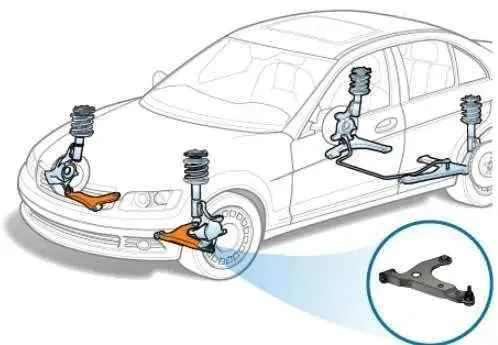
A control arm is a key suspension component that connects your car’s frame (or subframe) to the wheel assembly.
Think of it as a strong metal link that holds the wheel in position while still allowing it to move up and down as you drive. Because of its shape, many people also call it an “A-arm” or “wishbone.”
Without control arms, your wheels wouldn’t stay aligned or stable—especially when driving over bumps or turning corners.
How Control Arms Fit Into Your Suspension System
Control arms form the foundation of your front suspension system. They connect the wheels to the body of the car and work closely with parts like shocks, struts, and springs.
More importantly, they act as a bridge between steering and suspension. When you turn the steering wheel, the control arms help guide the wheels. At the same time, they allow vertical movement so the ride stays smooth.
Because of this dual role, even small issues with control arms can affect both handling and comfort.
Where Are Control Arms Located?
On most vehicles, control arms are found in the front suspension.
Typically, each front wheel has:
- An upper control arm (mounted higher)
- A lower control arm (mounted lower and usually larger)
In vehicles with independent rear suspension, similar control arms may also be used in the rear.
If you were to look underneath your car, you’d see these arms connecting the frame to the wheel hub area.
How Control Arms Work While You Drive
Every time your car hits a bump, the suspension moves up and down. Control arms make that movement possible.
Here’s what happens:
- The control arm pivots at the frame using bushings
- The wheel moves vertically through the ball joint
- The tire stays in contact with the road
As a result, your car remains stable instead of bouncing uncontrollably. This is especially important for braking, cornering, and overall safety.
Key Parts of a Control Arm Assembly
A control arm isn’t just a single piece of metal. It includes several important components:
Bushings
These are rubber or polyurethane mounts that connect the control arm to the frame. They absorb vibration and allow controlled movement.
Ball Joint
This is a pivot point that connects the control arm to the steering knuckle. It allows the wheel to move up and down and turn left and right.
Control Arm Body
This is the main structure—usually made from steel or aluminum—that holds everything together.
How Control Arms Connect to Your Car
Each control arm connects at two main points:
- Frame side: Usually attached with two bushings, allowing smooth pivoting
- Wheel side: Connected to the steering knuckle via a ball joint
In non-strut systems, both upper and lower control arms connect to the spindle. In strut systems, the lower arm works with the strut to perform the same function.
Upper vs. Lower Control Arms: What’s the Difference?
Although they work together, upper and lower control arms have different roles.
The lower control arm handles most of the load. It supports the vehicle’s weight and absorbs forces from braking and acceleration.
The upper control arm, on the other hand, helps maintain alignment. It keeps the wheel positioned correctly as the suspension moves.
Together, they form a stable structure that keeps your wheel vertical and properly aligned.
How Control Arms Maintain Wheel Alignment
Control arms play a direct role in maintaining alignment angles like camber, caster, and toe.
When bushings or ball joints wear out, small gaps—or “play”—develop. Over time, this causes:
- Uneven tire wear
- Steering pull
- Poor handling
That’s why alignment problems often trace back to worn control arm components.
Types of Suspension Systems Using Control Arms
Different vehicles use different suspension designs.
Double Wishbone Suspension
Uses both upper and lower control arms. Offers better handling and stability.
MacPherson Strut Suspension
Uses only a lower control arm. The strut replaces the upper arm.
Each design has its own advantages, but both rely heavily on control arms to function properly.
Common Shapes and Materials
Control arms come in different designs and materials depending on the vehicle.
Shapes
- A-shaped (wishbone)
- L-shaped (common in strut systems)
Materials
- Stamped steel (affordable and durable)
- Forged steel (heavy-duty applications)
- Aluminum (lightweight and performance-focused)
Each option balances strength, weight, and cost.
How Springs and Control Arms Work Together
Control arms don’t work alone. They rely on springs to support the vehicle’s weight.
A coil spring usually sits between the control arm and the frame. When you hit a bump, the spring compresses while the control arm guides the motion.
This combination absorbs shocks and keeps your ride smooth.
What Causes Control Arms to Wear Out?
Control arms are built to last, but they don’t last forever.
Common causes of failure include:
- Worn or cracked bushings
- Damaged ball joints
- Impacts from potholes or curbs
- Rust and corrosion over time
In many cases, the bushings fail first, followed by the ball joint.
Common Symptoms of a Bad Control Arm
When control arms start to fail, your car will usually give warning signs.
Clunking or Knocking Noises
Often heard when driving over bumps or turning.
Loose or Wandering Steering
The car may drift or require constant correction.
Uneven Tire Wear
Especially on the inner or outer edges.
Steering Wheel Vibration
More noticeable at higher speeds.
Rough Ride
The car may feel less stable and less comfortable.
Bushing vs. Ball Joint Failure: How to Tell
Not all noises mean the same thing.
- Ball joint issues usually cause sharp clicking or popping sounds
- Bushing problems tend to create dull clunks or squeaks
Ball joint failure is generally more serious and should be addressed immediately.
What Happens If You Ignore the Problem
Ignoring a bad control arm can lead to bigger issues.
Over time, it can:
- Damage tires and alignment
- Wear out other suspension parts
- Reduce steering control
In extreme cases, a ball joint can fail completely, which may cause loss of control.
Can You Drive with a Bad Control Arm?
Technically, yes—but it’s not recommended.
At first, the symptoms may seem minor. However, they can quickly worsen. Steering may become unpredictable, especially at higher speeds or during emergency maneuvers.
For safety reasons, it’s best to fix the issue as soon as possible.
How to Inspect Control Arms
If you’re comfortable checking your car, you can look for basic signs:
- Cracked or worn bushings
- Leaking or damaged ball joint boots
- Loose or abnormal movement
However, a professional inspection is always more reliable.
When to See a Mechanic
If you notice any of the symptoms mentioned earlier, it’s time for a professional check.
A technician will:
- Inspect bushings and ball joints
- Check for play or looseness
- Perform an alignment test
Early diagnosis can save you from more expensive repairs later.
Control Arm Replacement: What to Expect
In older vehicles, you could replace bushings or ball joints separately.
In modern cars, however, these parts are often integrated. That means replacing the entire control arm assembly is usually the safest and most efficient option.
Cost of Replacing Control Arms
The cost depends on your vehicle and location, but generally:
- Parts: $50–$300+
- Labor: $150–$500
- Alignment: $80–$200
Total cost typically ranges from $200 to $800 per control arm.
Should You Replace Control Arms in Pairs?
In many cases, yes.
If one control arm is worn, the other is often not far behind. Replacing both at the same time can save money on labor and prevent future issues.
Tips to Extend the Life of Your Control Arms
You can’t avoid wear completely, but you can slow it down:
- Avoid potholes and rough roads when possible
- Check suspension components regularly
- Address small issues before they get worse
A little attention goes a long way.
Final Thoughts
Control arms may not be the most visible part of your car, but they are one of the most important.
They keep your wheels stable, your ride smooth, and your steering predictable. When they wear out, the effects show up quickly—and ignoring them can lead to bigger problems.
The good news? Once you understand the signs, you can catch issues early and keep your car running safely and comfortably.
At Vib-eXpert (Vib-eXpert.com), we are dedicated to providing high-quality engine mounts, control arms, support center bearings, and other automotive components that ensure optimal performance and longevity for your vehicle. With years of expertise in the auto parts industry, we’ve built a reputation for delivering reliable, durable, and precision-engineered products to customers worldwide.
Our mission is to enhance your driving experience by offering parts that meet and exceed OEM standards. Whether you’re a professional mechanic, an auto parts distributor, or a DIY enthusiast, we are committed to helping you find the perfect solutions for your vehicle’s needs.
Why Choose Vib-eXpert?
• Global Reach: Trusted by over 300 customers across multiple countries, we cater to importers, distributors, and wholesalers.
• Expertise and Quality: Specializing in vibration dampening and suspension systems, our products deliver performance and reliability.
• Customer Support: Our team of experts is always ready to assist you in selecting the right parts for your specific requirements.
Explore our extensive range of products on Vib-eXpert.com, or contact us directly for personalized recommendations and support. Your safety and satisfaction are our top priorities.